

The Allure of Risk and Reward
Casino gambling is deeply intertwined with the concepts of risk and reward, which tap into fundamental human psychology. The thrill of potentially winning a large sum of money can trigger emotions like excitement and anticipation, making the experience addictive. This allure often leads individuals to return repeatedly, hoping to recapture that exhilarating feeling. Many players explore their options at online casinos, and the brain responds to these expectations by releasing neurotransmitters such as dopamine, which reinforces the cycle of gambling behavior.
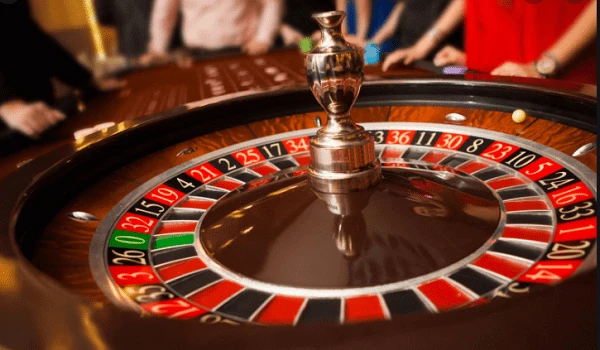
This psychological mechanism not only explains why people are drawn to casinos but also highlights how the possibility of winning, no matter how slim, can overshadow the inherent risks of financial loss. Gamblers often focus on past wins or near-misses, interpreting these moments as encouragement to continue playing, further compounding their desire to chase the elusive jackpot.
The Role of Cognitive Biases
Cognitive biases play a significant role in how individuals approach gambling. One of the most prevalent biases is the illusion of control, where gamblers believe they can influence the outcome of a game through their actions or strategies. This belief can lead to increased participation, as players feel empowered despite the fundamentally random nature of most games, such as slots or roulette.
Another common bias is the gambler’s fallacy, where individuals assume that past random events will influence future outcomes. For instance, a player might think that a slot machine is “due” for a payout if it hasn’t hit in a while. These cognitive distortions not only fuel gambling behavior but also create a disconnect between reality and the gambler’s perception, making it challenging to recognize the truth of their situation.
The Impact of Social Influences
The social environment surrounding gambling also significantly influences behavior. Many individuals are drawn to casinos due to the social aspect of gambling, where shared experiences can amplify both enjoyment and spending. Friend groups or larger social circles often normalize gambling, making it seem like an acceptable form of entertainment. This peer influence can lead individuals to partake in gambling activities that they might otherwise avoid.
Moreover, casinos often create an atmosphere designed to encourage longer stays and increased play. The social dynamics, combined with the excitement of the environment, can lead to impulsive decisions and an underestimation of time and money spent. This social reinforcement can perpetuate gambling behavior, as players seek to recreate the camaraderie and excitement associated with the activity.
Understanding Addictive Patterns
The psychology behind casino gambling behavior is critical in understanding gambling addiction. For some individuals, the initial excitement can evolve into compulsive behavior, leading to significant personal and financial consequences. The cycle of chasing losses can create a damaging pattern where individuals gamble to alleviate feelings of stress or depression rather than for enjoyment.
Therapeutic approaches to address gambling addiction often focus on recognizing these patterns and developing healthier coping strategies. Encouraging self-awareness about gambling habits and understanding the emotional triggers can be instrumental in breaking the cycle of addiction. Treatment can also involve cognitive-behavioral therapies that challenge the cognitive biases and irrational beliefs that fuel the gambling urge.

Website Role in Addressing Gambling Behavior
This website aims to provide a transparent avenue for users navigating the complexities of gambling behavior. It serves as a resource for individuals seeking to understand the psychological aspects of gambling, particularly as they relate to responsible gaming and recognizing the signs of addiction. By offering insights into the underlying motivations and patterns associated with gambling, the site encourages informed decision-making.
Ultimately, the goal is to support individuals in their journey toward healthier gambling practices while fostering a community that prioritizes awareness and education. Whether you’re a casual player or someone struggling with compulsive behavior, this site is here to guide you through potential challenges and empower you with knowledge about casino gambling psychology.